
You’ve got a car you love, and you’ve always wondered what it could really do on a racetrack. Maybe you’ve even dreamed of driving the same corners as professional racers at Laguna Seca, Virginia International Raceway, Watkins Glen, or COTA?
But when you start looking for events, things get confusing. HPDE? Track days? Time trials? Racing? Aren’t they all basically the same thing? Not quite. And understanding the differences can help you find exactly the experience you’re looking for.
The Quick Breakdown of Track Terms
| Event Type | Main Goal | Competitive? | Beginner-Friendly? |
| HPDE | Learn high-performance driving skills | No | Yes |
| Track Day | Enjoy driving your car on a racetrack | No | Usually, depending on the event |
| Open Track Day | Maximize track time with flexible sessions | No | Depends on the organizer |
| Time Trial | Set your fastest lap time | Yes | Some events |
| Wheel-to-Wheel Racing | Compete against other drivers for position | Yes | Requires series-specific preparation |
| Autocross | Navigate a timed cone course | Yes | Yes |
| Rallycross | Navigate a timed course on dirt or gravel | Yes | Yes |
What Is HPDE (High Performance Driver Education)?
HPDE stands for High Performance Driver Education, sometimes called a High Performance Driving Event. Think of it as driving school, except the classroom is a real racetrack and the homework is a whole lot more fun.
You’ll learn how to brake effectively, take corners smoothly, understand your car’s handling, and build confidence at speeds you can’t safely explore on public roads.
HPDE events typically include:
- Drivers grouped by experience level
- Controlled passing rules
- Professional instruction or coaching for beginners
- No racing, lap-time competition, or trophies
At Hooked on Driving, novice drivers (A-group) receive one-on-one coaching and classroom instruction. You don’t need experience or a specially modified car to get started. Learn more about what to expect at an HPDE event here.
Best for: Anyone who wants to become a better driver while discovering what their car can really do.
What Is a Track Day?
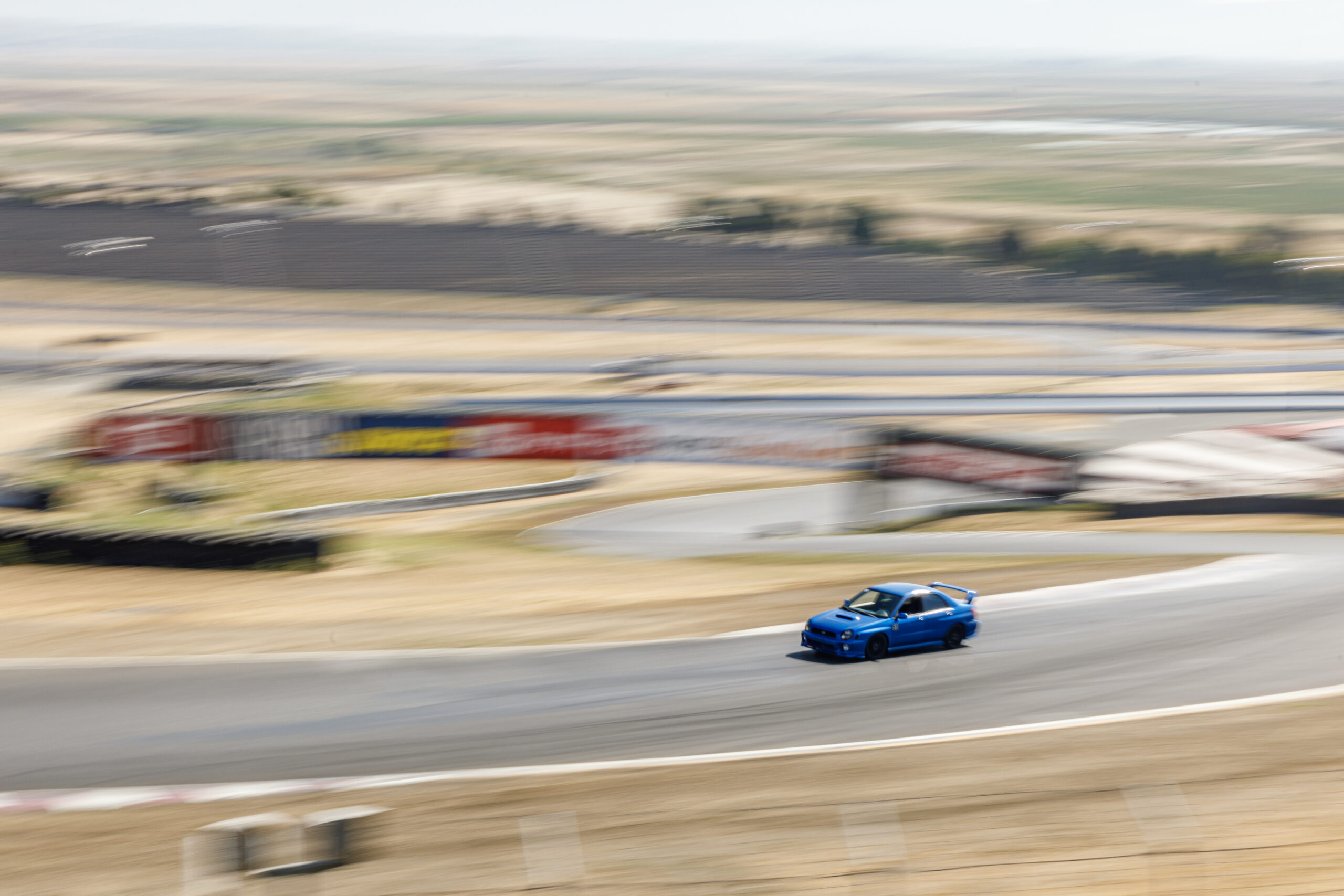
A track day is an event where enthusiasts bring their cars to drive on a closed racetrack. Here’s where terminology gets tricky: HPDE events are track days, but not every “track day” is an HPDE event.
Some track days emphasize structured education, while others offer experienced drivers the freedom to enjoy their cars with less instruction. Either way, the goal is generally the same: enjoy driving on a real circuit without competing against other drivers.
At Hooked on Driving, we intentionally limit the number of cars on track at once to ensure balanced learning opportunities where you may have the track to yourself for a few corners, and at another time work on passing (or being passed) safely within traffic on track.
Best for: Driving enthusiasts who want track time, whether they’re learning the basics or already have experience.
What Is an Open Track Day or Open Pit Lane Event?

Most organized track days divide drivers into groups by experience, with each group getting designated sessions on the circuit. An open pit lane track day works differently. Eligible drivers can enter and exit the track at any time throughout the event’s open-running periods rather than waiting for their group’s scheduled session.
That flexibility sounds great, but it also means sharing the circuit with drivers of different experience levels and/or significantly faster cars. Open pit lane formats aren’t necessarily beginner-friendly. Always check the organizer’s requirements.
Best for: Experienced track drivers who want more flexibility with their driving time.
What Are Time Trials?
Ever wondered how quickly you could complete a lap? That’s the idea behind time trials. Unlike HPDE, time trials are competitive. Drivers aim to set their fastest lap times, usually competing within specific vehicle classes.
However, unlike traditional racing, you’re generally competing against the clock rather than fighting another driver for position to cross the finish line first. Some organizations offer time trial programs with different levels of experience and competition.
Best for: Drivers who have developed their track skills and want to measure their performance competitively.
What Is Wheel-to-Wheel Racing?
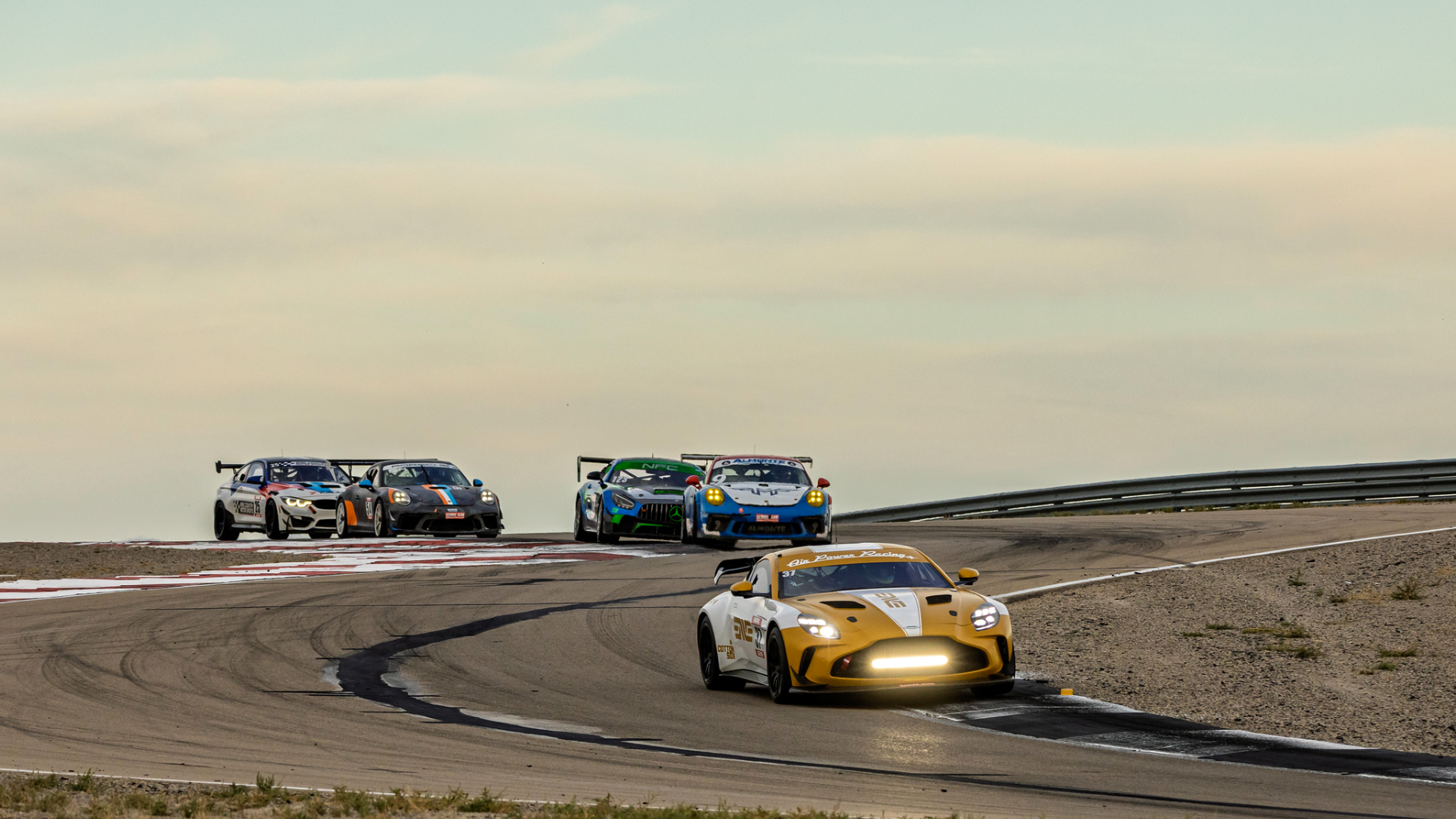
This is what most people picture when they hear the word “racing.” Multiple cars compete on the same track, battling for position and ultimately trying to cross the finish line first.
Wheel-to-wheel racing generally involves additional safety equipment, vehicle preparation, competition licenses, rulebooks, car classing, and a governing body. And unlike HPDE, passing and defending positions are part of the competition.
Best for: Drivers ready to move beyond recreational track driving into organized motorsports competition.
What About Autocross & Rallycross?
These two motorsports offer other ways to enjoy performance driving, usually without needing a permanent racetrack.
Autocross
Autocross involves navigating a course marked by traffic cones, generally in a large parking lot or paved open area. Drivers compete for the fastest time, one car at a time. It’s a relatively accessible way to explore car control, precision, and handling with lower overall speeds and a much shorter course than a road-course circuit. Most courses can be completed in under a minute.
Rallycross
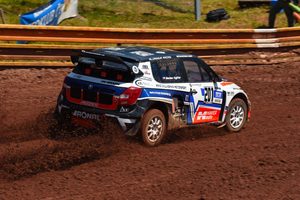
Rallycross follows a similar format, except the course is on dirt, gravel, or another unpaved surface. Think autocross, but with less grip and considerably more dust.
Both can be great fun, however they’re very different experiences from driving your favorite road course.
So, Is HPDE Racing?
No. HPDE is not racing, even though it takes place on a racetrack.
There’s no qualifying event to place people into a grid for starting places, no competition for position, and no trophy for being the fastest driver or completing the most laps.
Instead, your focus is on improving your driving skills, safely exploring your car’s capabilities, and enjoying corners you’ve probably watched professional drivers tackle on television. And here’s the fun part: you don’t need to become a racer or modify your car to experience those same tracks. Learn what to expect at your first HPDE track day here.
Which Driving Event Should You Try First?
If you’ve never driven on a racetrack before, HPDE is probably exactly what you’re looking for. You can bring your own eligible street car, learn from experienced instructors, and gradually build your skills in a controlled environment.
No racing license. No need to build a race car or overhaul your daily driver. No pressure to be the fastest. Just you, your car, a great track, and the chance to discover why people get hooked on high-performance driving.
Ready to Get on Track?
At Hooked on Driving, we welcome everyone from first-time track drivers to experienced enthusiasts. Our HPDE events combine real racetrack driving with coaching, structured run groups, and an emphasis on having a safe and fun time behind the wheel.
Bring the car you love. We’ll help you discover what it can do.